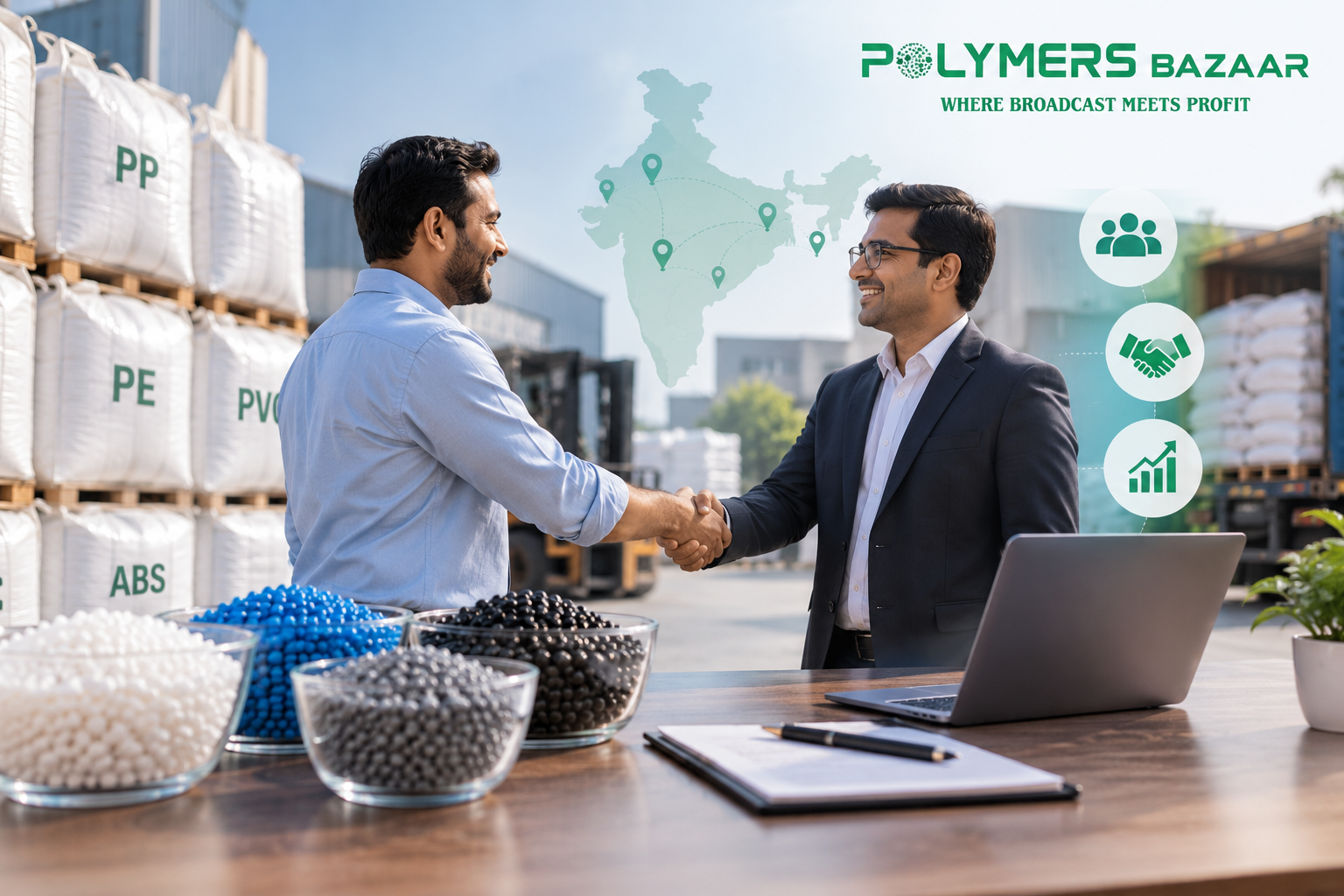
If you sell plastic granules, virgin PP,
PE, PVC, or reprocessed grades, you know the material moves fast once you find
the right buyer. Getting there is the hard part. Most sellers I've spoken with
start with the same instinct: list on a couple of directories and wait. That
works occasionally, but it rarely builds a pipeline you can depend on.
This guide covers exactly how to find
plastic granule buyers India has across each channel, what serious
buyers check before replying, and what tends to go wrong when sellers hunt for
buyers without a plan.
What Is a Plastic Granule Buyer?
A plastic granule buyer is a business
that purchases granular polymer, virgin or recycled, as raw material for
further processing. This includes injection and blow moulding units, packaging
manufacturers, pipe and profile extruders, recyclers, and traders who resupply
smaller processors. Buyers are usually specific about grade (PP, HDPE, LDPE,
PVC, ABS, PET), color, and whether the material is virgin or reprocessed, since
these directly affect their finished product quality.
Why Finding the Right Buyers Is Harder Than It Looks
India's plastics exports ran between USD
12 billion and 13.4 billion across 2021-22 and 2022-23, and PLEXCONCIL is now
targeting USD 25 billion. That's a large market, but a fragmented one. Demand
sits with thousands of small and mid-sized processors rather than a handful of
big accounts. Payment terms add friction too: polymer trade has traditionally
run on LC-at-sight, but buyers increasingly expect credit terms, sometimes up
to 90 days, before committing. Skip either factor and you'll spend time on
inquiries that never close.
Where to Find Plastic Granule Buyers in India
●
General B2B directories like IndiaMART, TradeIndia, and ExportersIndia list thousands of buyers
by city and material, though verification varies and inquiries can be low
quality.
●
Trade intelligence platforms such as Volza use customs shipment data to surface active importers
with contact and volume details, useful for export-focused sellers.
●
Industry-led events, particularly PLEXCONCIL's Reverse Buyer Seller Meets held alongside
PlastIndia, are built for actual deal-making. The 2026 edition generated 860
one-to-one B2B meetings and roughly USD 193 million in business discussions.
●
Dedicated polymer sourcing
marketplaces connect verified sellers with buyers
directly, skipping the noise of open directories. I've had better luck moving
from a first inquiry to close your first deal on Polymers Bazaar than
through cold directory outreach, mainly because both sides are already
pre-verified.
●
Recycler-focused marketplaces, like Recykal's platform for balers and aggregators, solve a related
problem: demand visibility and faster payment cycles for recycled material.
Key Factors to Evaluate Before You Approach a Buyer
- Grade and consistency - buyers want to
know you can supply the same specification batch after batch, not just
once.
- MOQ and
packaging fit - mismatched minimum order
quantities are a common reason inquiries stall.
- Verification
status - GST registration and a verified seller
profile are baseline trust signals on most serious platforms.
- Payment
terms - decide in advance how much credit flexibility
you can offer without straining your own cash flow.
- Export readiness - for overseas buyers,
confirm your HS code (plastic granules typically fall under HS 3901) and
dispatch logistics before pitching.
How to Approach and Pitch Plastic Granule Buyers
Skip mass messaging. PLEXCONCIL's
buyer-seller meet model works because it's built around one-to-one
conversations, not blanket outreach. When you reach out, lead with what a buyer
actually needs: material type, grade, quantity available, and packaging.
Answering the obvious technical questions before they're asked cuts the
back-and-forth that kills momentum on early inquiries.
Common Mistakes Polymer Sellers Make While Hunting for Buyers
Sellers often lean entirely on open
directories and treat every inquiry as equal, when most of that traffic is
price-shopping rather than genuine interest. Another gap is not clarifying
grade, packaging, and MOQ early, which leads to renegotiation later and wastes
time on both sides. Skipping buyer creditworthiness checks is a third mistake,
particularly risky given how common extended credit terms have become in this
trade.
Practical Recommendations to Close Deals Faster
Don't rely on a single channel. Pair a
directory presence with at least one trade fair or RBSM a year, and use a
verified B2B marketplace for steadier, repeat-buyer relationships. This mirrors
how India's own trade bodies structure buyer discovery, and it directly
addresses the two biggest obstacles sellers face: unverified buyers and payment
risk.
Key Takeaways
●
No single channel covers the full
buyer market; combine directories, trade fairs, and verified marketplaces.
●
Buyers respond faster when grade,
MOQ, and packaging details are clear from the first message.
●
Payment terms can make or break a
deal, so plan your credit flexibility before you pitch.
●
Structured, verified introductions
consistently outperform cold outreach.
Conclusion
Finding plastic granule buyers in India
isn't about casting the widest net. It's about matching the right channel to
the right buyer and being upfront about specifications and terms from the
start. I hope this gives you a clearer starting point than a random directory
listing would.
FAQs
What types of plastic granules are
most in demand among Indian buyers?
Virgin PP, HDPE, LDPE, and PVC see steady
demand from processors, while recycled and reprocessed grades are growing fast
due to sustainability requirements.
Are B2B directories enough to find
serious buyers?
They're a starting point, but inquiry
quality varies. Pairing directories with verified marketplaces or trade fairs
tends to produce more serious leads.
How important are trade fairs like
PlastIndia for finding buyers?
Very. PLEXCONCIL's Reverse Buyer Seller
Meets at PlastIndia are built for one-to-one buyer-seller introductions, which
convert better than mass outreach.
What documents should I keep ready
before approaching a buyer?
GST registration, and for export deals,
your HS code classification and dispatch capability, since buyers often ask
before finalizing terms.
Do Indian polymer buyers expect credit
terms?
Many do, especially in a tight cash-flow
environment. Deciding your credit limits in advance helps you negotiate without
straining operations.